
After Kavya hears that her leaf describes a blessing, the word feels larger than prediction. The reader says a deity supports her, that unfinished work remains and that a special chapter can reveal her life's reason. Kavya is moved. She is also caring for a parent, paying a loan and unsure whether “purpose” means changing everything.
Aasi and Anugraha are devotional words, not career-placement labels. They can hold meanings of blessing, grace, benediction or favour within particular traditions. A responsible reading leaves room for reverence and questions at once. It does not convert spiritual language into exclusive ownership of the seeker's future.
Nadi astrology Aasi Kandam—called Anugraha Kandam in several traditions—is a special spiritual chapter about the reason for this life, unfinished duties, divine blessing and the form that blessing may take. Chapter 22 is common but not universal, and some Aasi or Jeeva lineages describe another access path. Preserve the exact wording, distinguish blessing from instruction and reflect on how the message can enrich relationships, livelihood, care, service and spiritual practice. Its deepest value is not pressure; it is the freedom to respond to sacred guidance with sincerity.
What current Aasi and Anugraha pages say
The strongest exact-intent pages are sparse and closely related. Atri Maharishi Nadi and Sri Agastya Nadi list Chapter 22 as “Anugraha (Aasi Kandam).” Both say it explains the reason for this life, work the soul has yet to complete, which God is blessing the person and the blessings received.
Longer first-person Aasi material describes a more intensive tradition: access after earlier chapters or practices, continuing revelations, named teachers and repeated readings. It contains personal testimony and strong supernatural interpretations. Such testimony documents one believer's experience; it does not establish a universal method, lineage rule or outcome.
This creates two immediate questions. Is the centre selling a numbered continuation chapter from a matched bundle, or offering an Aasi/Jeeva-style current revelation? And is “blessing” translated from visible material or added as interpretation? Request the method, source format, complete chapter list, reader's role, fee and recording policy before continuing.
The Kandams guide explains numbering variation. The Gnana guide covers wisdom and teacher guidance; overlap does not make the products identical.
Separate blessing, purpose, duty and instruction
Blessing
A blessing may be spoken, ritual, relational or interpreted through events. It can express gratitude and hope. It is not an outcome warranty. Ask what the word means in this reading and avoid converting it into a claim that misfortune proves divine rejection.
Purpose
Purpose can mean an orienting value rather than one hidden occupation. Care, learning, livelihood, relationship, creativity, devotion and service may all matter simultaneously. A reading that names one theme need not erase the rest.
Duty
“Pending work” may be interpreted spiritually, morally or practically. Name the action and the people affected. No narrative authorises unpaid exploitation, abandonment of dependants, illegal conduct or decisions for another adult without consent.
Instruction
An instruction asks for action and therefore needs fresh consent, scope, cost, authority and safety review. Hearing a translation does not automatically create a vow or teacher–student relationship.
Four columns for your transcript
Exact source words · close translation · reader interpretation · proposed service. Do not let a paid service appear to be a command merely because all four were spoken together.
Build a plural purpose map
Draw five circles: self and health; close relationships; livelihood and learning; community and service; spiritual or philosophical practice. Place the reading's purpose statement in the centre. For each circle, ask whether the proposed direction supports, strains or ignores it.
Add values rather than titles: compassion, truthfulness, stewardship, courage, beauty, inquiry, devotion, justice or reliability. Then list present roles—parent, child, partner, worker, neighbour, student, caregiver or volunteer. A credible action should fit both values and real responsibilities.
Finally, separate chosen commitments from imposed identities. “Service matters to me” leaves many routes open. “I alone must found this organisation because the leaf chose me” concentrates authority without evidence. Ask who benefits, who bears costs, who may disagree and what happens if you stop.
The purpose map prevents dramatic false choices. Kavya need not decide between “ordinary life” and “spiritual mission.” Caregiving performed freely and sustainably may already express service; so may careful work or community participation.
Test one small action for forty days
Choose an action that is voluntary, low-cost, non-harmful and reversible: a short prayer permitted in your tradition, reflective reading, a gratitude note, regular help at an established service organisation, mentoring, environmental care or one repaired family responsibility.
Define frequency, maximum cost, start date and review date. Protect sleep, prescribed care, essential income and dependants. Avoid extreme fasting, breath retention, substances, isolation, hazardous travel or permanent vows without appropriate guidance.
Track time, money, mood, sleep, relationships and impact on the people served. Ask whether the action makes you more attentive and responsible—not whether every pleasant event proves supernatural endorsement. Forty days is a review point, not a magical guarantee.
At review, continue, adapt, pause or stop. No dramatic result does not justify a costlier ritual. A useful spiritual practice should tolerate honest reflection.
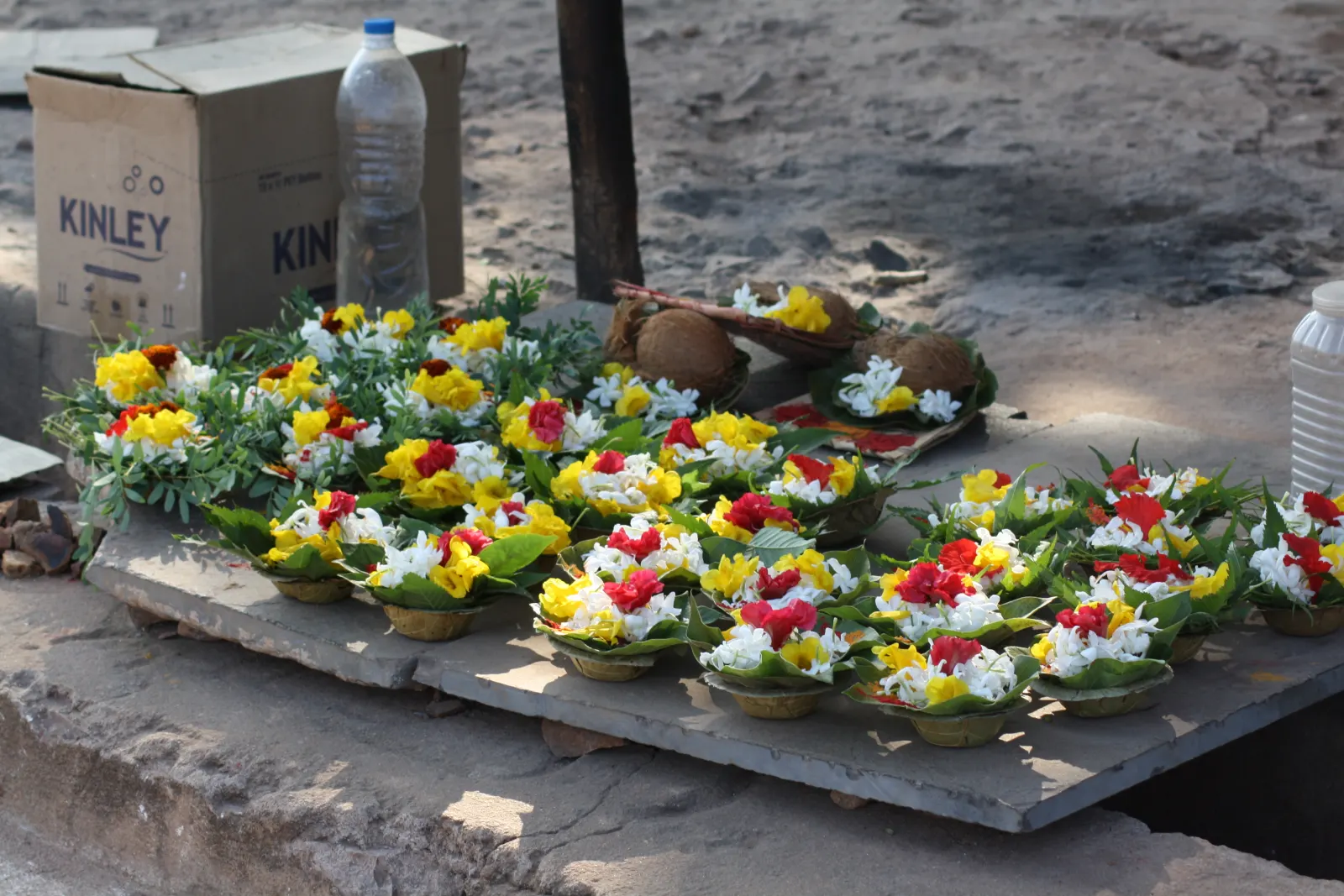

Keep grace separate from an open-ended bill
Request written prices for translation, Aasi chapter, teacher meeting, ritual, materials, travel, donation and follow-up. Mark each item required, recommended or optional. Consent to ₹999 leaf finding or a ₹9,800 continuation bundle does not authorise later services.
Pause when the provider says blessings expire tonight, refusal will harm relatives, debt proves insufficient devotion or each new revelation requires another immediate payment. These statements use fear and sacred urgency to remove choice.
Do not borrow for promised grace or prosperity. Preserve invoices and advertisements. A donation should be freely chosen and transparently described, not relabelled after a mandatory price is challenged.
Prevent repeated-reading dependency
Some personal Aasi narratives describe many successive readings. That may be meaningful within their faith, but repetition is not a universal requirement. Set a cooling-off period and a yearly budget before the first session.
Ask what genuinely new question another reading would answer. If the answer is reassurance, permission for ordinary decisions or recovery from a missed prediction, pause. Repeated readings can shift agency from the seeker to the next message.
Keep a single record of predictions, instructions, costs and outcomes. Review specific misses as well as apparent hits. Do not redefine every event as confirmation or blame yourself when a promised result does not occur.
Seek independent support if readings produce panic, compulsive checking, sleep loss, debt or inability to function. Spiritual companionship and mental-health care can coexist; one should not be used to block the other.
Worked example: Kavya keeps purpose plural
Kavya asks for the exact phrase behind “unfinished work.” The translation refers broadly to care, teaching and worship; it does not tell her to quit employment. The centre offers a paid ceremony and a teacher meeting, both optional.
She maps the message across caregiving, her school-administration job, health, finances and spiritual practice. Teaching is already present in her work. She chooses a forty-day experiment: two weekly mentoring sessions for first-generation applicants and a short family prayer she already knows.
She sets a zero-remedy-purchase rule during the experiment. Her parent remains cared for, loan payments continue and no medical plan changes. At review, mentoring feels valuable but twice weekly is unsustainable, so she continues monthly.
Kavya does not claim the reading proved a cosmic mission. It helped her notice a value and test an expression of it. This example is fictional, not a testimonial.
Questions to ask before an Aasi reading
- Is this Aasi, Anugraha, Jeeva or another named method?
- Is it a matched chapter or a present revelation?
- Which exact words refer to purpose, duty, deity and blessing?
- Which statements are translation and which are interpretation?
- Does the proposed action require a teacher, vow or initiation?
- What are all costs and recurring commitments?
- Can I consult my existing tradition and decide later?
- What remains optional?
- Can I stop without punishment, shame or family threats?
- How will privacy, recordings and future contact be handled?
Frequently asked questions
What is Aasi Kandam in Nadi astrology?
Aasi Kandam, also called Anugraha Kandam by some providers, is described as a special spiritual chapter about the reason for this life, unfinished duties, divine blessing and the form those blessings may take. This is traditional belief, not established proof of a unique cosmic assignment.
Is Aasi Kandam always Chapter 22?
No. Chapter 22 appears in several current provider lists, while other Aasi or Jeeva traditions describe a different sequence or access method. Ask for the centre's complete list, exact heading and method.
Is Aasi Kandam the same as Gnana Kandam?
Not necessarily. Gnana commonly concerns wisdom, spiritual development and guru guidance. Aasi or Anugraha is often framed around blessing, life purpose and pending work. Providers may overlap these themes, so request the actual scope.
What can Aasi Kandam reveal about life purpose?
Aasi Kandam may describe the seeker’s unfinished duties, divine blessing and the form of service or spiritual direction that gives life deeper meaning. Receive the message as sacred guidance, then express it through freely chosen commitments that fit your values, abilities and responsibilities.
Does a blessing guarantee success?
No. A blessing may carry devotional meaning, encouragement or gratitude within a tradition, but it does not guarantee health, wealth, safety, office, marriage or any other outcome.
Must I obey every instruction to keep the blessing?
No. Consent remains necessary. You may ask questions, consult your own tradition, modify a voluntary practice, pause or decline. Threats that refusal will harm you or your family are coercive, not evidence.
How can I test a life-purpose claim?
Translate it into a small, reversible service or practice for a fixed period. Track time, cost, effects on others and alignment with your values. Do not resign, borrow, abandon care or make vows merely to prove devotion.
Can the chapter identify a particular deity for me?
Some descriptions say it may name the deity blessing the seeker. That is a tradition-specific spiritual claim. It does not invalidate another faith, create exclusive authority or require paid worship through the reader.
What are Aasi-reading questions to clarify?
Warnings include exclusive divine authority, punishment threats, demands to sever relationships, repeated paid revelations, unsafe fasting or breath practices, pressure to stop treatment, secret money, guaranteed blessings and blame when outcomes fail.
What does NadiVedas charge for leaf finding?
₹999 covers Guruji's search for and live verification of the index leaf. A match is not guaranteed. If a leaf matches, the optional continuation-bundle reading starts from ₹9,800 and may include available topic chapters; continuing remains your choice.
How this guide was researched
Current descriptions were compared across Atri Maharishi Nadi and Sri Agastya Nadi Astrology, with longer first-person Aasi/Jeeva material reviewed only as testimony. Their claims document living belief and service language, not objective proof.
- Atri Maharishi Nadi: Anugraha/Aasi chapter
- Sri Agastya Nadi Astrology: Chapter 22 description
- Wikimedia Commons image and licence record
Sources were accessed 8 August 2026. Practices differ by lineage; this guide does not certify a revelation, teacher or spiritual outcome.
Find the index leaf before choosing a special chapter
₹999 covers Guruji's index-leaf search and live Google Meet verification. A match is not guaranteed. If a leaf matches, the separate continuation-bundle reading starts from ₹9,800 and may include available topic chapters. Continuing is always your decision.
Begin leaf finding for ₹999