
Arun is midway through a divorce when a reader says, “A second marriage comes in eighteen months.” The sentence feels like relief. Then ordinary questions return: Is the decree final? Can an appeal still be filed? What will he tell a future partner? How will his daughter experience another household?
A prediction can name hope before life is ready to carry it. The useful response is neither blind belief nor ridicule. It is to identify what the leaf actually says, then give legal status, grief, children, finances and another person’s freedom their own evidence.
Nadi practitioners traditionally say a matched palm leaf may indicate remarriage, a possible period, reasons for earlier marital difficulty, future-partner traits, compatibility and remedies. Marriage material is usually associated with Kandam 7, while many chapter lists place gains and second marriage together in Kandam 11; practices vary. These are spiritual claims, not validated forecasts. A second-marriage prediction does not end an existing marriage, establish divorce, create consent or guarantee a better relationship. First define whether the earlier relationship involves divorce, separation, annulment or bereavement. Verify legal freedom to remarry under the applicable law, allow recovery without a predicted deadline, disclose material facts to a future partner, protect children and finances, and move through reversible stages before commitment.
Why second marriage appears in two chapter conversations
Remarriage readings usually direct seekers to a Marriage Kandam and may discuss possibility, timing, second-spouse characteristics, causes of the first marriage ending, future harmony and remedies. Some chapter lists label Kandam 11 as profits, gains and second marriage, sometimes adding identity, direction or occupation of the later spouse.
This does not establish a single universal map. Kandam 7 commonly concerns marriage and married life. Kandam 11 is commonly described as gains or fulfilment of desires and, in some lineages, second marriage. A centre may also combine palm-leaf translation with horoscope analysis. Ask which source produces each statement.
Four questions before buying a chapter
• Did the general index leaf match first?
• Is the remarriage statement on the matched leaf?
• Is it in Kandam 7, Kandam 11 or a chart interpretation?
• Will the original wording and close translation be provided before counselling?
Our Kandams guide explains why chapter lists differ. The existing marriage-prediction guide covers first principles of consent, timing and spouse claims.
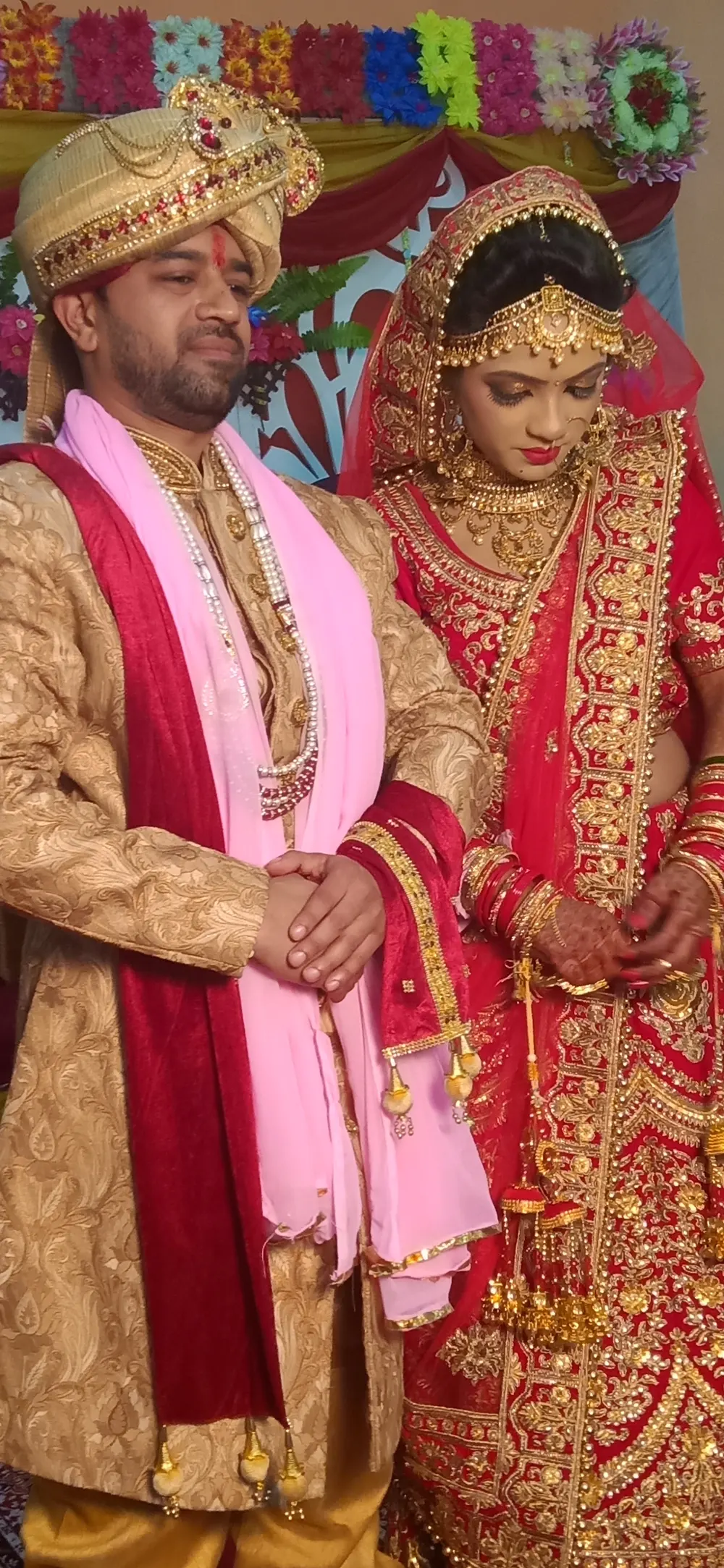

“After a first marriage” can describe four different realities
Reading descriptions often group divorce, separation and widowhood as routes to the same prediction. They are not interchangeable. Each creates different duties, emotions, documents and conversations.
Divorce
A petition, hearing or settlement discussion is not necessarily a final dissolution. In India, the governing law and facts matter. Section 15 of the Hindu Marriage Act, for example, addresses remarriage after a divorce decree when there is no right of appeal, the appeal time has expired without an appeal, or an appeal has been dismissed. This article is not legal advice; confirm the decree and appeal position with a qualified lawyer.
Separation
Living apart, a private agreement and judicial separation can have different legal effects. Do not call yourself legally free to marry because a leaf forecasts another union. Obtain current advice under the law that applies to you.
Annulment or a void/voidable marriage
These terms have technical meanings and consequences. Preserve the court documents rather than relying on family language such as “the marriage never counted.”
Bereavement
Widowhood does not require completing a universal spiritual or emotional waiting period. A later relationship need not replace the deceased spouse. Readiness may change unevenly, and grief can coexist with affection for someone new.
Separate five claims that are often blended together
A confident reading may claim that the leaf can reveal remarriage, why the first marriage failed, when the next will occur, who the spouse is and whether it succeeds. A safer record gives each statement its own label.
The five-label record
P — past: a checkable statement about the earlier marriage.
S — status: a claim about separation, divorce, widowhood or legal closure.
F — forecast: a future partner, date, meeting or outcome.
K — karmic: a traditional explanation about purpose, debt or lesson.
A — action: advice about contact, commitment, money or remedy.
A correct past detail can support a leaf match without proving a future date. A karmic story may hold personal meaning without assigning blame for cruelty, betrayal, illness or bereavement. An action needs present evidence even when the forecast feels precise.
Save the spoken source language, close translation and later interpretation separately. Mark whether “second marriage” was volunteered or emerged only after you disclosed your history. Keep misses and alternatives rather than polishing the session into one perfect story.
Readiness is not the same as a favourable period
A predicted window can create scarcity: “If I do not marry this year, I lose the chance.” That pressure is especially risky after conflict or loss. Readiness is better assessed through present capacities that another person can observe.
A seven-part readiness inventory
Legal: Is the prior status documented and understood?
Emotional: Can you discuss the past without recruiting a new partner to repair it?
Safety: Are stalking, coercion or violence risks addressed?
Financial: Are maintenance, debt, property and ongoing obligations visible?
Parenting: Are children’s routines and relationships protected?
Relational: Can both people disagree, slow down and say no?
Practical: Have residence, work, care, faith and family expectations been discussed?
There is no universal score or waiting period. A person may be legally free but emotionally unready, or emotionally open while documents remain unresolved. The inventory is not a purity test; it locates the next honest task.
The World Health Organization describes social connection through structure, function and quality, noting that breakups and bereavement can increase isolation. A new marriage can offer companionship, but it should not be used as the sole treatment for grief, loneliness or distress.
A future partner is not a character in your prediction
Some pages promise the second spouse’s appearance, profession, family, direction, initial and compatibility. Even an uncanny overlap does not make a person cosmically obligated to you. They have their own history, boundaries and reasons to continue or decline.
Share the reading only if they want to hear it. Say, “This was part of a spiritual consultation I had,” not, “The leaf proves you are my second spouse.” Never contact strangers because a name, initial or profession appears to fit.
Material disclosure should happen through conversation and appropriate documents: current marital status, children, continuing contact with an ex-spouse, maintenance or debt obligations, health information relevant to shared decisions, residence plans and expectations about money, caregiving and children. Disclosure is not a data dump on the first meeting; it is a staged exchange before the corresponding commitment.
If meeting through a matrimony or dating platform, let trust develop gradually through consistent communication, family awareness where appropriate and respectful in-person or video interaction. A Nadi reading can offer hope and timing guidance, while a strong relationship still grows through mutual honesty, consent and shared values.
Second marriage often joins systems, not only two adults
Children, co-parenting arrangements, former spouses, elders, property and existing households may remain part of daily life. “The second marriage will be harmonious” is too broad to resolve these interfaces.
Discuss each interface before commitment
Children: pace of introductions, discipline, privacy, education and loyalty conflicts.
Co-parenting: schedules, communication, emergencies and boundaries with former partners.
Money: separate and shared accounts, debt, support, insurance and large purchases.
Home: ownership, contribution, inheritance expectations and exit options.
Elders: caregiving, residence and financial support.
Faith: ceremonies, festivals and children’s participation.
Privacy: what can be shared with relatives, readers and online audiences.
Children should not be asked to validate the prediction or call someone a parent before they are ready. A new spouse should not be promised authority that the adults have not negotiated. Where custody, maintenance or property orders exist, obtain advice before changing arrangements.
Learn from the first relationship without turning it into karma blame
A reading may say the leaf explains why the first marriage failed: incompatibility, family pressure, planetary imbalance or past-life debt. Reflection can be useful, but it becomes harmful when every loss is assigned to one person’s moral or karmic defect.
Use a two-sided review. Record what was within your control—communication, boundaries, money habits, choice of support—and what was not. Name abuse or coercion plainly rather than spiritualising it. Do not demand mutual responsibility where one person used violence.
Then choose one observable practice for the next relationship: weekly money conversations, a conflict pause rule, separate emergency savings, premarital counselling, slower child introductions or an agreed privacy boundary. “Resolve the karma” is not measurable; a changed practice is.
If distress, grief or trauma continues to dominate daily life, qualified mental-health support may help. Spiritual counsel can accompany professional care but should not replace it.
Move through four gates instead of one predicted date
Gate 1: lawful availability
Verify the prior marriage’s legal status, relevant decree, appeal position and continuing obligations. Do not rely on a verbal summary from a former partner or reader.
Gate 2: informed relationship
Both people know the material history, have met in varied contexts and can decline without pressure. Identity and major claims have been reasonably verified.
Gate 3: system fit
Children, money, housing, work, caregiving, religion and former-partner contact have workable plans. Disagreement is visible rather than hidden for the wedding.
Gate 4: free commitment
Each person chooses marriage without fear of missing an astrological window, family punishment, financial rescue or remedy threat. The decision survives a cooling-off period.
Arun’s leaf may still be meaningful. But his next step is not finding a bride before the eighteen months expire. It is confirming legal closure, stabilising co-parenting and learning what he can offer. If he later meets someone, her consent—not the leaf—opens the next gate.
Keep remedies outside the relationship contract
Prayer, mantra, temple visits or charity may express hope and continuity. They cannot guarantee remarriage, make a named person consent or substitute for legal completion. Ask for the exact practice, purpose, full cost and whether it can be done independently.
Refuse claims that a remedy must be purchased immediately to avoid permanent loneliness or another failed marriage. Do not ask a future partner to pay, convert, conceal the practice or accept blame for “blocking” its result. Read the remedies guide before spending under emotional pressure.
Review the prediction without making it come true
Define the event before the window begins. Does “second marriage” mean a legal ceremony, engagement, cohabitation or important relationship? Which status must precede it? What date range was actually stated? What partner traits are specific enough to test?
Keep non-events and contradictions. Do not count a date with no marriage as “the month I became ready.” Do not shift a profession, location or initial after meeting someone. Record information you supplied before the forecast.
Most importantly, do not rush, provoke a breakup or lower safety standards to satisfy the reading. A prediction assessed honestly may remain fulfilled, unfulfilled, ambiguous or not yet due. None of those scores determines whether the next relationship is respectful.
Frequently asked questions
Can Nadi astrology predict a second marriage?
Practitioners traditionally claim that a matched leaf may mention remarriage, timing, circumstances or a future partner. This is a spiritual prediction, not established evidence or a guarantee. Do not end, begin or accelerate a relationship solely because of it.
Which Kandam covers second marriage?
Kandam 7 commonly covers marriage and married life. Many provider chapter lists place profits, gains and second marriage in Kandam 11. The allocation varies, so ask which matched chapter contains the statement and whether the reader is using a palm leaf, horoscope method or both.
Does a second-marriage prediction mean my current marriage will end?
No. It could be a mistranslation, a conditional statement, a broader relationship reference or simply wrong. It is not evidence of divorce or permission for infidelity. Evaluate the actual relationship and obtain qualified help for real concerns.
Can a leaf give the exact remarriage date?
A reader may translate a year, age or period, but such timing is not validated certainty. Legal status, two people’s consent and practical circumstances still determine whether a marriage can occur.
When is a divorced person legally free to remarry in India?
The answer depends on the law governing the marriage and the case. For example, section 15 of the Hindu Marriage Act addresses remarriage after a divorce decree when appeal rights no longer prevent it. Verify your decree, appeal status and applicable law with a qualified lawyer.
What if I am separated but not divorced?
Separation is not automatically legal dissolution. Do not treat a prediction as permission to remarry. Confirm your current status and obligations under the applicable law before planning another marriage.
What if my first spouse died?
Widowhood and divorce involve different legal and emotional realities. A remarriage reading should not impose a grief deadline or imply that a future partner replaces the deceased. Choose timing based on readiness, responsibilities and free consent.
Should I tell a future partner about the prediction?
You may share it as your spiritual experience if they want to hear it, but never present it as proof they are destined to marry you. Disclose material facts about legal status, children, finances, health and expectations through honest conversation.
Can remedies guarantee a successful second marriage?
No. Prayer, charity or temple practice may have devotional meaning but cannot guarantee another person’s choice, legal closure or relationship quality. Remedies should remain voluntary, affordable and separate from counselling or legal work.
What does the ₹999 NadiVedas fee cover?
₹999 covers Guruji’s index-leaf search and live Google Meet verification. A match is not guaranteed. If a leaf matches, the separate continuation-bundle reading starts from ₹9,800; all continuation chapters are optional.
Connect remarriage questions with chapters, evidence and consent
Use the cluster to understand the reading without handing it decisions that belong to real people.
Find the leaf before choosing a relationship chapter
₹999 covers Guruji’s index-leaf search and live Google Meet verification. A match is not guaranteed. If a leaf matches, the separate continuation-bundle reading starts from ₹9,800. Kandam 7, Kandam 11 and every continuation remain optional.
Begin leaf finding for ₹999