
Meera hears the translator say, “Your mother gives you a house and peace.” Her biological mother died when she was six. Her aunt raised her. Her mother-in-law owns the home where she now lives. Before anyone calls the sentence accurate—or wrong—they need to know what “mother,” “gives,” “house” and “peace” are supposed to mean.
That small pause protects both tradition and family reality. A Nadi chapter may offer sacred reflection, but it should not quietly turn another person’s body, money or affection into the seeker’s evidence.
In palm-leaf Nadi practice, Kandam 4 is the chapter of mother, maternal influence, home, land, vehicles and domestic comfort. Some centres call it Matha Kandam or Maternal Pleasure Kandam. The chapter can illuminate the seeker’s bond with a biological mother, caregiver, maternal lineage or home. Preserve the translated wording, respect the mother’s privacy and receive health, property and remedy themes as spiritual guidance alongside present-day care and documentation.
What Kandam 4 traditionally covers
Matha Kandam is commonly associated with the mother, her influence or wellbeing, home, land, vehicles, assets and comforts. Some traditions also connect it with longevity, maternal ancestors, prosperity and remedies.
These themes can carry both practical and devotional meaning. A mother’s wellbeing, an adult child’s home, a family property and a blessing may appear together in the chapter, while still deserving their own careful translation and conversation.
Chapter lists also vary. Ask whether the centre is reading a matched palm leaf, offering a horoscope interpretation, or blending both. Ask which topics its fourth chapter actually contains. Our Kandams guide maps the common chapter sequence without pretending every collection is identical.
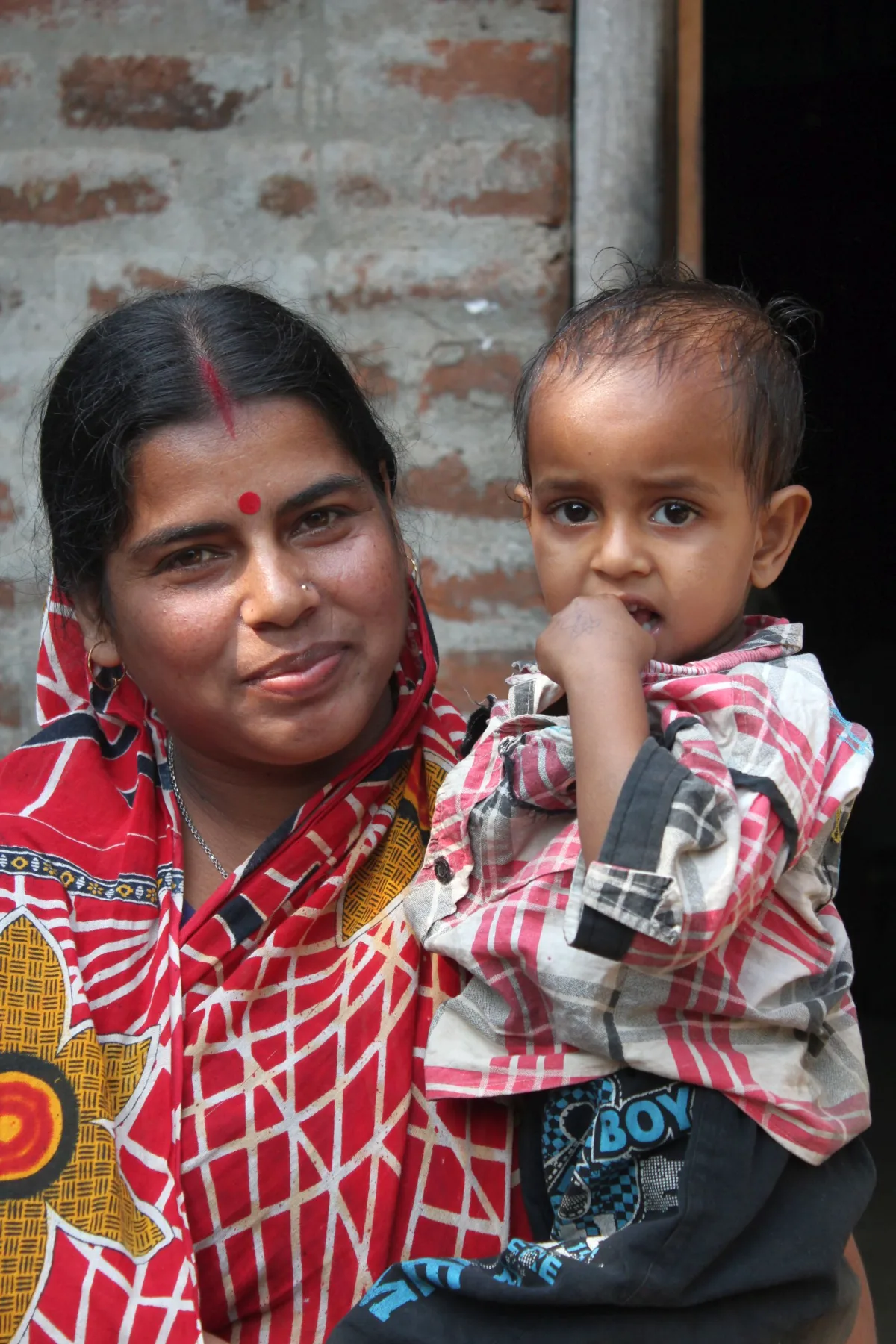

First define what “mother” means in this family
Biology, law, daily care and family identity do not always point to one person. “Mother” may mean a biological or adoptive mother, stepmother, foster parent, grandmother, aunt, guardian, mother-in-law, older sister, or another caregiver who performed a maternal role. Some people had several; others had none they would name that way.
Make a role map after matching
Identity: Who is biologically or legally a mother?
Care: Who provided everyday protection and nurture?
Home: Who created or controlled the household?
Resources: Who owns any property being discussed?
Relationship: Who does the seeker personally call mother?
Boundary: Which person should not be drawn into the reading?
Do not disclose this map before a clean matching sequence if parent details are supposed to identify the candidate leaf. After matching, use it to clarify translation rather than rescue every mismatch. A statement cannot move from biological mother to aunt to mother-in-law until somebody fits unless the original wording genuinely allowed that range.
Indian law can use a broader definition in a specific context. The Maintenance and Welfare of Parents and Senior Citizens Act defines parent as a biological, adoptive or step father or mother. That statutory definition does not tell us what a palm-leaf verse meant, but it is a useful reminder that real families exceed a single assumed form.
A matching clue is not a mother prediction
Practitioner descriptions say a parent’s name, initial, occupation or family circumstance may appear during the index-leaf question sequence. Those facts help decide whether a candidate leaf belongs to the seeker. A focused Kandam 4 reading may then make claims about the mother, home or future.
Keep the stages separate. A correct name can support the candidate match without validating every forecast. A wrong name should stay wrong rather than being converted into a sound-alike after the answer is revealed. Details supplied on an intake form cannot later count as independent hits.
Use five labels in your notes
M — matching: past or present identity detail used to accept the leaf.
D — description: current relationship or household claim.
F — forecast: future event, timing or outcome.
T — traditional: karma, blessing, ancestor or remedy statement.
A — action: advice about contact, care, property, travel or spending.
Write the translated sentence before interpreting it. Mark yes, no or uncertain without explaining misses away. The thumb-impression guide gives a practical clean-matching protocol.
Build a two-person relationship map
The leaf is being read for the seeker. The mother may not be present and may not have agreed to become its subject. “Your mother will support you” therefore records a claim in the seeker’s reading—not a promise made by her.
Place the translated statement in one column. In the other, record present evidence: what each person has said, contact frequency, past reliability, practical limits, safety concerns and boundaries. Then choose the smallest reversible action. A prediction of harmony might support a respectful conversation, not a demand for closeness. A warning of conflict might support clearer expectations, not an accusation.
Do not assume maternal love requires unlimited availability, money, housing or unpaid care. Likewise, a difficult relationship does not make either person spiritually defective. Adult children and mothers can love one another while needing distance, shared responsibility or outside support.
Before discussing the reading with her, ask whether she wants to hear it and which topics are excluded. Health, lifespan, fertility, past relationships, property and death deserve explicit consent. Never surprise someone with a frightening forecast “for their own good.”
Keep mother-health claims outside the clinical lane
Some Matha Kandam descriptions say the chapter can reveal the mother’s wellbeing or longevity and that remedies can improve it. Those are traditional claims. There is no established medical evidence that a Nadi reading diagnoses disease, calculates lifespan or changes a clinical outcome.
If your mother reports symptoms, help her access appropriate care without using the leaf as a diagnosis. If she is an adult with decision-making capacity, she controls who receives her medical and social information. World Health Organization guidance for age-friendly primary care says such information should be shared with family members only with the older person’s consent.
Convert anxiety into a care check
• What has she actually noticed or requested?
• Are medicines, appointments and emergency contacts current?
• Does she need help with mobility, food, transport, hearing or vision?
• Who can help, and what can each person realistically sustain?
• Does the caregiver need training, respite or financial support?
• When will the family review the plan?
Caregiving is not proof of devotion when it destroys the caregiver’s health or livelihood. WHO’s recent family-caregiver work emphasizes knowledge, training, self-care and stronger support systems. A usable plan includes the mother’s preferences and the caregiver’s capacity.
In India, the 2007 Act describes maintenance as including food, clothing, residence and medical attendance and treatment, and welfare as including health care and amenities for senior citizens. Rights and procedures depend on facts and jurisdiction; obtain qualified help for a real dispute or neglect concern.
Mother, home and property are connected—but not interchangeable
Kandam 4 descriptions often place the mother beside houses, land, vehicles and comfort. That may reflect a traditional symbolic field of home and nurture. It does not establish that the mother owns an asset, intends to give it away, or that the seeker will inherit it.
Translate each noun precisely. “House” might mean residence, ownership, construction, a move or domestic atmosphere. “From mother” might mean emotional support, family origin, funding, gift, co-ownership or an interpretation added by the reader. Write down which meaning was actually stated.
For a material decision, verify the asset, title holder, encumbrances, loans, tax, nomination, will or gift documents, capacity and consent, family structure and applicable succession process. A leaf cannot create title, cure a defective deed or resolve competing heirs.
Never pressure a mother to transfer property because a reading says it is destined. Her resources may fund her housing, treatment and long-term care. The Act’s definition of property includes movable and immovable, ancestral and self-acquired interests, but any specific transaction needs document review and suitable legal advice. See the property-prediction guide for a seven-layer evidence stack.
Translate “comfort” into something observable
Provider pages use words such as comforts, pleasure, happiness and prosperity. These broad terms invite hindsight. Define what matters before the review period: stable housing, privacy, manageable expenses, safe transport, time together, reduced conflict, accessible care or a sense of belonging.
A vehicle may increase mobility while adding debt. A large house may reduce crowding while increasing maintenance. Living together may provide care while weakening privacy. Material acquisition and domestic ease are related but not identical.
For every forecast, record the date range, event, person, direction and evidence required. “More comfort soon” is not testable. “Mother moves into an accessible ground-floor flat by December” is clearer, but it still needs her agreement, affordability, availability and actual completion.
Different mother relationships need different responses
When the relationship is warm
Use the reading as an invitation, not a script. Ask what support, contact and privacy each person wants. Do not turn closeness into entitlement to money, care or personal information.
When the relationship is estranged or unsafe
A reconciliation theme does not override abuse, coercion or a chosen boundary. You may decline contact. Therapy, a private letter or a symbolic ritual can support reflection without exposing either person to harm.
When the mother has died
Separate known memories and documents from new spiritual claims. Prayer, remembrance or charity may be meaningful when voluntary. Grief is not evidence that an expensive remedy is required.
When another person raised you
Name the roles honestly. A biological connection need not erase caregiving, and caregiving need not rewrite biology. The translation may remain ambiguous; uncertainty is preferable to forcing a hierarchy.
When mother and adult child share a home
Write expectations about costs, chores, guests, privacy, care and decision-making. “Domestic happiness” grows from negotiated routines more reliably than from an undefined promise.
Keep remedies voluntary and outside the care budget
A reader may suggest prayer, temple visits, feeding people, charity or another pariharam for maternal harmony or wellbeing. Treat the explanation as part of tradition, not proven causation. A remedy should not replace medical care, property advice, honest conversation or safeguarding.
Ask for the practice, purpose, full cost, recipient and whether it can be done independently. Set a ceiling before the reading. Refuse secrecy, urgency, guaranteed results or claims that misfortune will follow if you do not pay.
If mother and child have different beliefs, neither should be compelled. One person may pray while the other chooses not to participate. Our remedies guide explains how to preserve devotional meaning without surrendering consent or money.
Review the reading without rewriting your family
Save the audio and a dated translation. Preserve the original noun and every alternative offered at the time. Do not later change “mother” into grandmother, aunt or mother-in-law solely because an event occurred to someone else.
Keep misses, partial matches and information disclosed before the session. Review relationship, health, property and spiritual statements separately. A kind conversation does not validate a health forecast; a property purchase does not prove a remedy caused it.
Meera might decide the sentence referred to her aunt’s care, her mother-in-law’s house, a symbolic memory of her biological mother—or that it was too vague to score. None of those answers requires her to diminish one woman so another can fit the leaf.
Frequently asked questions
Which Kandam covers the mother in Nadi astrology?
Kandam 4 is commonly described as the mother, home, land, vehicles and comforts chapter. Some providers call it Matha Kandam or Maternal Pleasure Kandam. Exact chapter contents vary by collection, so ask what is included before paying.
Can Kandam 4 reveal my mother’s name?
A parent’s name or identifying clue may be used during general leaf matching, according to practitioner descriptions. A correct detail can support a candidate match, but it does not independently prove the manuscript’s age or every later prediction.
Does mother mean only a biological mother?
Not necessarily in a lived family. A seeker may have biological, adoptive, step, foster, caregiving or chosen mothers, and a grandmother or another relative may have performed the maternal role. Record the original wording and do not force a person into it after the fact.
Can Nadi astrology predict my mother’s health or lifespan?
Some readers make health or longevity claims, but these are not medically validated forecasts. Do not diagnose, delay care or communicate a death deadline from a reading. Symptoms and health decisions require qualified clinical assessment.
Does Kandam 4 guarantee maternal property or inheritance?
No. A spiritual prediction cannot establish ownership, create a transfer, validate a will or resolve succession. Verify title, liabilities, consent, capacity and the applicable legal process with qualified help.
What if I am estranged from my mother?
You may decline reconciliation advice and keep contact boundaries. A traditional duty or remedy theme does not make unsafe or unwanted contact compulsory. Private reflection can remain private.
What if my mother has died?
The chapter may be approached as remembrance, family history or spiritual reflection. Keep checkable memories separate from new claims, and reject anyone who uses grief or guilt to pressure you into expensive remedies.
Can I book a reading about my mother without her consent?
You can seek reflection about your own life, but the reading should not become a covert medical, financial or character assessment of another adult. Do not share her sensitive records or publish private claims without permission.
Are remedies required to improve my mother’s wellbeing?
Remedies are voluntary devotional practices, not medical treatment or a guaranteed way to change health, relationships or property outcomes. Keep them affordable and separate from care, legal and financial decisions.
What does the ₹999 NadiVedas fee cover?
₹999 covers Guruji’s index-leaf search and live Google Meet verification. A match is not guaranteed. If a leaf matches, the separate continuation-bundle reading starts from ₹9,800; Kandam 4 and all continuation chapters are optional.
Connect family reflection with chapters, matching and evidence
Keep the sacred narrative while giving every real-world decision the evidence and consent it needs.
Begin with your leaf—not assumptions about your mother
₹999 covers Guruji’s index-leaf search and live Google Meet verification. A match is not guaranteed. If a leaf matches, the separate continuation-bundle reading starts from ₹9,800. Kandam 4 and every continuation remain optional, and family privacy boundaries can be stated before reading.
Begin leaf finding for ₹999