
The night before her first reading, an imaginary seeker named Ananya opens three notes on her phone: family dates, career questions and a long account of why she feels stuck. Then she closes them. The most useful preparation is not feeding the reader a complete biography. It is creating conditions in which she can observe how the match is made, understand what is being offered and leave with an accurate record.
That distinction matters. A Nadi session can be emotionally charged: a thumb impression, a search among manuscript bundles, statements about family and identity, then predictions or spiritual recommendations. Preparation cannot prove that a palm leaf belongs to you or make divination scientifically reliable. It can make the procedure easier to evaluate, reduce avoidable privacy loss and help you resist rushed decisions.
To prepare for a Nadi astrology reading, confirm the provider, exact service, total fees, non-match policy, language, duration and recording rules. Make the requested thumb impression clearly, but share as little biographical information as possible before candidate-leaf matching. Reserve quiet time, bring earphones and questions, and answer matching statements only with yes, no or unclear. Ask for the original statement and translation to be distinguished. Record or take notes with permission, wait before buying extra chapters or remedies, and never use a reading instead of qualified medical, legal, financial or mental-health advice.
Prepare before you book, not just before the call
A polished website, sacred imagery or a famous town name does not establish how a centre conducts its searches. Begin with the transaction. Ask for a written description of what the first payment covers. Is it only an index-leaf search, or does it include a general reading? What happens when no candidate matches? How long will the reader continue searching, and is another session included?
Separate each possible purchase. Leaf finding, an index or general chapter, additional Kandams, translation, recordings and remedies should not blur into one escalating commitment. You should be able to hear the result of one stage and decide later about the next.
Check the public basics: a consistent centre name, a working contact, clear terms, recent independent reviews and a privacy policy. Reviews describe other people's experiences; they do not guarantee yours. Claims of lineage can be meaningful within tradition, but ask what is documented and what is inherited oral history. Our history and evidence guide explains why the age of a tradition, text and physical palm leaf are separate questions.
Get these answers in writing
✓ Service included and amount payable
✓ Refund or retry rule when no leaf matches
✓ Expected duration and possible follow-up
✓ Reader and translator languages
✓ Recording, notes and image policy
✓ Data retention and deletion process
✓ Prices of optional chapters and remedies
Make a useful thumb impression without oversharing
Many Tamil Nadi traditions request the right thumb from men and the left thumb from women. That convention is common, not universal, and its binary framing may not fit every seeker. Ask the centre which print it needs and how it handles your identity and circumstances respectfully. Do not send several fingerprints “just in case” unless the reason is clear.
A useful print shows the ridge pattern rather than a dark blob. Wash and dry your hand. Use a clean ink pad if requested, press lightly without rolling, and make two or three attempts on plain white paper. Choose the clearest version, photograph it square-on in bright indirect light, crop only the empty surroundings and check that fine ridges remain visible before sending. The detailed thumb-impression guide covers print quality and classification.
Treat a fingerprint as personal data and send it only through the agreed channel. In the traditional process, the thumb impression narrows the bundle category; the personal match is then established through the identity statements read from candidate leaves during the live session.
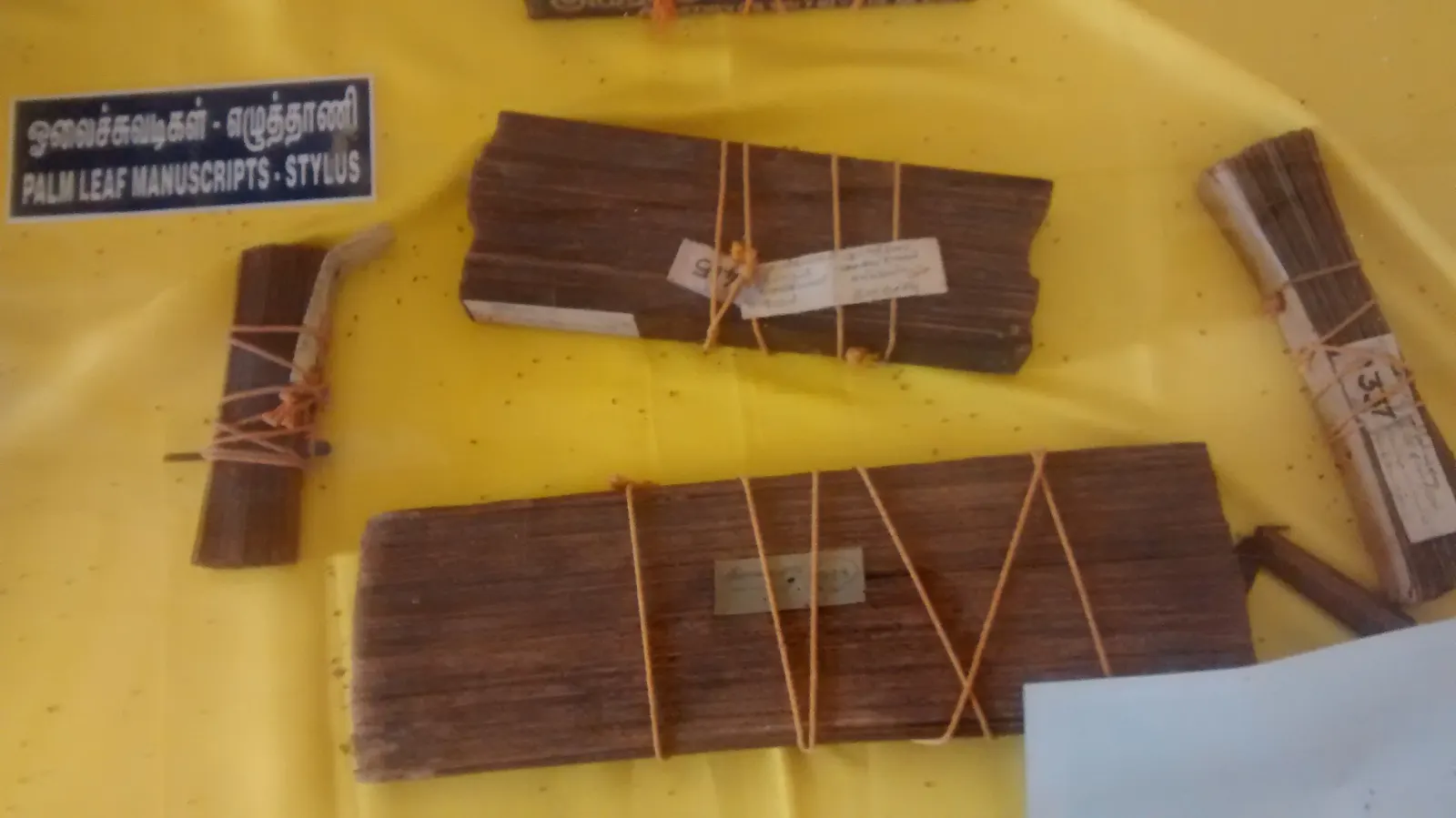

Prepare the room, technology and your attention
For an online Nadi reading, choose a quiet room, stable internet and a charged device. Use earphones if privacy matters. Test your microphone and camera, silence notifications and keep a backup phone number available. Avoid joining while driving, working or caring for someone who needs your full attention.
Block extra time around the appointment. Bundle searching is not necessarily predictable, and the search may be separate from the fuller reading. Do not schedule an important decision immediately afterward. Emotion, surprise and fatigue can make an optional purchase feel more urgent than it is.
Bring water, a notebook and five questions ranked by importance. Broad questions such as “What should I understand about my work direction?” leave more room for reflection than demands for a guaranteed date. For health, legal disputes, investments, safety or mental health, use the session only as spiritual reflection and consult an appropriately qualified professional.
Are fasting, prayer or special clothes required?
Some lineages recommend bathing, prayer, clean clothing, vegetarian food, temple worship or fasting. These can be sincere devotional preparations. They are tradition-specific, not established techniques for increasing predictive accuracy. Ask what is optional, adapt practices to your faith and health, and never fast or stop medication when it is unsafe. A respectful centre should not turn a personal observance into a test of worthiness.
During matching, answer narrowly and allow a real “no”
The candidate-leaf stage is the heart of the observable process. A reader may state details about parents, siblings, marital status, work or name sounds and ask you to confirm them. Listen to the whole statement. Reply yes only when it is accurate, no when it is wrong, and unclear when the wording or translation is genuinely ambiguous.
Do not rescue a mismatch. If the reader says “one brother” and you have two, do not volunteer that one lives abroad and perhaps does not count. If a name sound could fit several relatives, ask which relationship and sound were stated. A rejected candidate should be set aside. The procedure must permit the possibility that no leaf is found.
Avoid giving your full name, exact birth details, occupation, family tree, social profiles or central life problem before matching unless the provider explains why the information is operationally required. Minimal disclosure does not make the process adversarial; it protects information value. Note which facts were supplied in advance so you can later distinguish them from details introduced during the reading.
Preparation is not about forcing belief or disbelief. It is about keeping a clean record of what you gave, what was stated and what actually matched.
Translation adds another layer. Ask the reader to separate what is visibly read or paraphrased from the leaf, what the translator supplies for context and what is the practitioner's interpretation. If possible, request that important names, dates and conditional language be repeated slowly.
Questions worth asking before you continue
Once a candidate is declared matched, pause. Ask how many identifying details matched, which did not, and whether the reader considers the match complete. Ask whether you are hearing an index leaf, a general chapter or a continuation bundle. Terminology and chapter counts can vary between libraries, so the practical contents matter more than the label.
- “What exactly is being read now?” Understand the manuscript words, translation and Guruji’s explanation.
- “Which lineage is connected with this leaf?” Ask about the sage, tradition and spiritual focus.
- “What is included today?” Confirm chapters, time, translation, notes and recordings before continuing.
- “Which continuation chapters are available?” Identify the life areas that matter most to your journey.
- “How does this remedy support the guidance?” Understand its purpose, practice, duration and cost.
- “Is this timing exact or a broader period?” Ask Guruji to explain how the timing should be understood.
If the reader predicts immediate catastrophe, demands secrecy, guarantees marriage or wealth, diagnoses illness, instructs you to abandon professional care, or says only an urgent expensive ritual can prevent harm, stop. Those are pressure tactics, not evidence of authenticity.
After the reading: preserve the record, then create distance
As soon as the session ends, write down what happened while memory is fresh: the information supplied beforehand, number of candidate leaves, clear matches, clear misses, ambiguous statements, price changes and any follow-up promises. Save the permitted recording and written translation with the date and provider name. Do not edit your notes to make the story cleaner.
Wait before acting on major predictions or purchasing remedies. Re-listen when the initial emotional charge has softened. Separate specific, testable statements from broad language, and separate statements about the past from future claims that cannot yet be evaluated. A striking match can be personally meaningful without converting every later sentence into certainty.
Discuss consequential choices with people who understand the real-world domain. A career prediction does not know your employment contract; a health passage is not a clinical assessment; relationship timing cannot replace consent and communication. Use spiritual guidance as one reflective input, never as coercion.
If you shared biometric or identity data, follow through on the centre's retention policy. Request deletion when appropriate and keep evidence of the request. Do not post your full leaf transcript, thumbprint or family details publicly merely to ask strangers whether the reading was authentic.
What preparation can—and cannot—change
Within Nadi tradition, seekers may believe that the meeting with a leaf occurs at an appointed time and that sages such as Agastya perceived lives across time. These are religious and lineage claims. Established manuscript research shows that palm-leaf manuscripts are genuine, varied cultural objects preserved in libraries, monasteries, temples and private collections; it does not establish that a specific leaf predicts a specific modern life.
Preparation improves logistics, consent, privacy and the quality of your observations. It cannot make an unverified claim true, guarantee a match or guarantee an accurate future. This boundary is more useful than either automatic belief or automatic ridicule because it lets a seeker approach a living tradition with respect and retain ordinary standards of evidence and care.
Compared with many existing preparation pages, this guide deliberately adds information boundaries, biometric privacy, translation layers, a non-match protocol, post-session note-taking and decision safeguards. It also avoids presenting devotional fasting, lineage, manuscript age or reported accuracy as proof.
Frequently asked questions
What should I prepare for a Nadi astrology reading?
Prepare a clear thumb impression, a quiet block of time, earphones, a stable connection for an online session, a short list of questions, and written confirmation of the service, price, refund terms, language and recording policy. Avoid sending a detailed biography before matching.
Do I need my birth date and birth time?
Ask the provider before the session. In the traditional palm-leaf search, the thumb impression is used to classify bundles and candidate statements are tested live. Some centres may request birth details later for confirmation or interpretation, but you should know why each detail is needed.
Which thumb is used for Nadi astrology?
Many Tamil Nadi centres traditionally request the right thumb from men and the left thumb from women. Practices and gender assumptions can vary, so follow the chosen centre's instructions and ask how they handle your circumstances respectfully.
Should I fast before a Nadi reading?
Fasting is not a universal practical requirement. Some lineages may suggest bathing, prayer, clean clothing, vegetarian food or another devotional observance. Treat these as tradition-specific spiritual practices, not proven methods for improving predictive accuracy, and do not fast if it is unsafe for you.
How should I answer during leaf matching?
Answer the candidate statements briefly—usually yes, no or unclear. Do not guess, reinterpret a mismatch to make it fit, or volunteer extra facts that can shape later statements. A genuine search must allow a candidate leaf to be rejected and may end without a match.
Can I record the reading?
Ask for permission and clarify whether audio, video, photographs, translations or written notes are included. Recording rules differ, and everyone on the call should consent. A recording helps you review the exact wording after the emotional intensity of the session has passed.
What questions should I ask before paying?
Ask what the first fee covers, whether a non-match is refundable, how long the search remains open, whether further Kandams or remedies cost extra, who will translate, what data is retained, and whether you may pause before purchasing anything else.
How long should I set aside?
Allow more time than the advertised reading length because the candidate-leaf search can be variable. Confirm the provider's estimate, whether the search and reading occur on the same day, and what happens if the bundle search must continue later.
What if the leaf does not match?
A non-match is a valid outcome. Ask the provider to stop rather than stretching ambiguous details, confirm the stated refund or retry policy, and do not accept a substitute reading presented as your matched leaf.
How does NadiVedas begin the process?
₹999 covers Guruji's search for and live verification of the index leaf. A match is not guaranteed. If it matches, the separate continuation-bundle reading contains future-prediction material and starts from ₹9,800; you can decide whether to continue.
Follow the leaf journey step by step
Learn how the thumbprint narrows the search, what the chapters contain and how an online session should preserve a transparent match.
Begin with a clear process and room for a genuine answer
At NadiVedas, ₹999 covers Guruji's index-leaf search and live Google Meet verification. A match is not guaranteed. If it matches, the separate continuation-bundle reading starts from ₹9,800—and continuing is always your decision.
Begin leaf finding for ₹999