
Imagine a reader opening one narrow bundle after another, reciting a line in Tamil and asking only for a yes or no. Then a candidate leaf begins to align: the rhythm of your name, the shape of your family, a detail you did not expect to hear. The room becomes still. This moment of recognition is why seekers have travelled toward Nadi traditions for generations.
Nadi astrology is not experienced as an ordinary horoscope. It begins with a search for a pre-existing palm-leaf record. The thumb impression narrows the collection, the index-leaf statements establish identity, and the matched leaf opens the way to guidance traditionally associated with sages and Siddhas. Its genuineness is felt through the coherence of this journey: leaf, lineage, matching, recitation, translation and personal relevance.
Yes—Nadi astrology is a genuine living spiritual tradition rooted in South India’s palm-leaf manuscript culture. Its distinctive method does not begin by asking for a complete life story. It begins with a thumb impression, a search through classified bundles and a live sequence of candidate-leaf statements. When an index leaf aligns with the seeker’s identity and family details, the reader translates the guidance preserved in that collection. Nadi is received within a sacred worldview of karma, time and the wisdom of sages; the clearest way to approach it is through a transparent live search, an experienced reader and the freedom to accept a match, a non-match or a later decision about further chapters.
Why Nadi astrology feels different from an ordinary reading
Most astrology consultations begin with birth details and a chart. A traditional palm-leaf Nadi search begins elsewhere: with a thumb impression and a manuscript collection. The seeker is not simply given a general interpretation. Candidate records are tested until one is recognised as the index leaf—or the available search ends without a match.
This matching stage gives the experience its emotional and spiritual power. The reader may ask about the seeker’s name sounds, parents, siblings, marriage or life circumstances. The seeker responds briefly while unsuitable candidates are set aside. When the details align naturally, the index leaf becomes the doorway to the reading.
Within the tradition, the meeting is understood as more than chance. The seeker is believed to arrive when the time is right to receive guidance preserved under the name of a sage or Siddha. Different lineages explain this sacred timing differently, but they share a sense that the reading is encountered, not manufactured on demand.
The Nadi experience in five movements
✓ A thumb impression narrows the manuscript bundles
✓ Candidate leaves are tested through personal details
✓ The index leaf establishes the seeker’s identity
✓ Tamil verses or statements are read and translated
✓ Available chapters open guidance for different areas of life
A calm provider lets this process speak for itself. There is no need to force a match, rush the seeker or turn every meaningful detail into a sales claim.
A manuscript heritage carried across generations
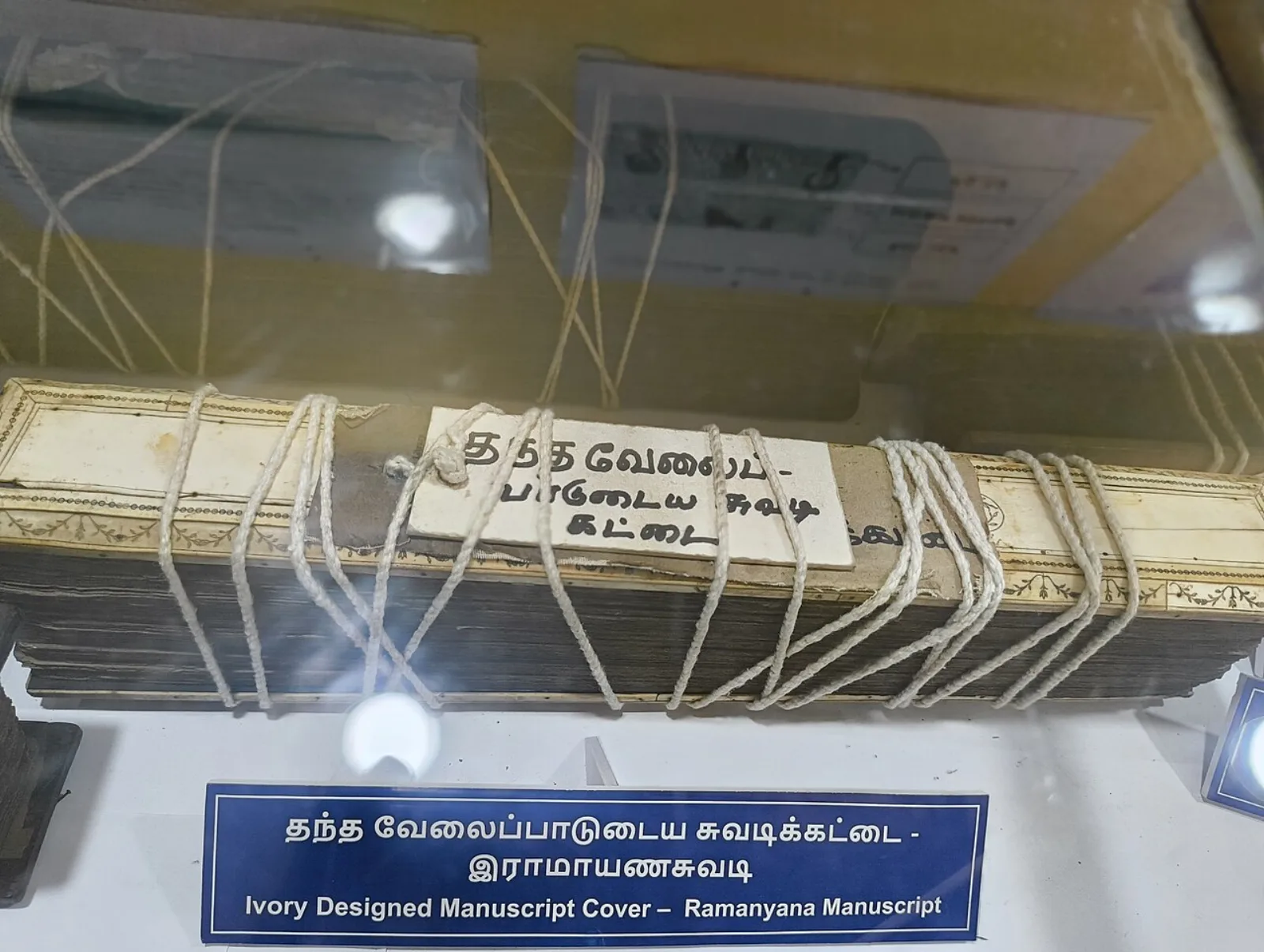
Palm leaves served as an important writing material across South and Southeast Asia. Tamil collections preserve works on devotion, medicine, ritual, grammar, astronomy, literature and many other fields of knowledge. Government and academic libraries continue to conserve large manuscript holdings, demonstrating the depth of this material heritage.
Palm leaves are organic. With time they can dry, split or lose clarity, so manuscript traditions have long included preservation and careful recopying. A text may therefore carry an older teaching on a later physical leaf. This is part of how palm-leaf knowledge survived climate, handling and the passage of centuries.
Nadi collections are usually connected with a family, reader, location or lineage of practice. A thoughtful reader can explain how the leaves are organised, which language or script is present, who reads them and how the translation reaches the seeker. Our history and manuscript guide explores this cultural setting in greater depth.

The matching moment: how an index leaf is recognised
In many Tamil Nadi practices, a thumb impression is classified and used to select a bundle category. Candidate leaves are then tested through statements about the seeker's identity and family. A series of yes-or-no answers is meant to narrow the search until an index leaf is declared matched. Practices vary, so a rigid number of patterns, questions or hours should not be advertised as universal proof.
The beauty of the method is that an unsuitable candidate may be set aside. The reader keeps searching rather than bending every statement to fit. The seeker helps most by answering simply—yes, no or unclear—so the sequence remains focused and the eventual match can emerge naturally.
A long biography is unnecessary at this stage. Basic booking and communication details may be needed, but family names, worries and desired predictions can wait until the index-leaf search is complete. This preserves the character of the traditional matching experience and makes the recognition more meaningful.
How names may appear
Tamil sounds can be transliterated into English in several ways, and names may be indicated through syllables, sound families or letters. A translator may therefore explain the sound before the seeker recognises the modern spelling. Hearing the original recitation and the translation together helps preserve the texture of the reading.
Our guide to the thumb-impression and bundle search explains the traditional sequence. The practical question here is not whether a thumbprint is unique in forensic terms; it is what the centre demonstrably does with the print and candidate leaves.
What a matched Nadi reading may reveal
The index leaf usually begins by establishing identity and giving an overview of the seeker’s life. Depending on the collection, it may refer to family structure, marriage, work, present obstacles, temperament, important periods and spiritual direction. This foundation helps the seeker understand which continuation chapters may be available.
Traditional Kandams organise guidance by theme. Marriage, children, profession, parents, health, prosperity, litigation, past-life karma, remedies and spiritual instruction may appear in separate chapters. Not every collection follows exactly the same numbering, and not every matched leaf contains every chapter.
Future guidance is most useful when preserved in the reader’s actual wording. A recording or careful notes allow the seeker to revisit the translation without relying only on memory. Some passages may be specific; others may express broad cycles, duties or spiritual counsel. The reader’s role is to make this distinction clear.
A Nadi reading is not only a list of predictions. For many seekers, it is a meeting with a sacred narrative that connects present choices, inherited responsibilities and future possibility.
NadiVedas does not sell an accuracy percentage or a guaranteed outcome. It offers a real leaf-finding process, live verification and the opportunity to continue only when an index leaf matches.
What makes a Nadi session meaningful and trustworthy
Before the search
- Know what ₹999 covers. At NadiVedas, the first service is the search for and live verification of the index leaf.
- Allow for a non-match. A genuine search may conclude without finding the correct leaf in the available bundles.
- Prepare a clear print. A usable thumb impression helps Guruji identify the right bundle category.
- Keep your story for later. The matching statements should establish identity before you discuss the questions that brought you.
- Choose a quiet hour. An unhurried environment helps you hear each statement and translation carefully.
During matching
- Watch the search live on Google Meet.
- Answer candidate statements with yes, no or unclear.
- Let unsuitable leaves be set aside without trying to make them fit.
- Ask to hear the Tamil recitation and its translated meaning.
- Take notes or request recording permission so important details are preserved.
After a match
- Pause and absorb the index-leaf details.
- Ask which continuation chapters are available in the matched bundle.
- Understand the separate fee before deciding to continue.
- Choose the themes that genuinely matter to you.
- Keep spiritual guidance alongside responsible professional advice for medical, legal or financial decisions.
The fuller reading preparation checklist includes sample questions about privacy, recording, translation and fees.
How an authentic online Nadi reading works
The heart of the Nadi process can travel well through video. The seeker sees Guruji, watches candidate leaves being considered, answers the matching statements and hears the recitation and translation in real time. This allows people in India and abroad to experience leaf finding without first travelling to Tamil Nadu.
A clear online process names everyone present, explains how to send the thumb impression, keeps the camera on the live search and gives the seeker enough time to respond. The matched index leaf is verified during the call rather than announced through a generic message.
NadiVedas uses Google Meet for live verification. The ₹999 search covers the index-leaf stage. If a leaf matches, the seeker receives a clear explanation of the separate continuation-bundle reading before choosing whether to proceed. See our online Nadi reading guide for preparation and session details.
Technology supports the meeting; it does not replace the leaf or reader. The centre of the experience remains human: Guruji, the manuscript bundle, the seeker’s answers and the translated guidance.
The NadiVedas standard for genuine leaf finding
Trust is built through the whole experience, not through a slogan. The seeker should know what is being searched, see the matching live, understand the price and feel free to continue only when the process and matched leaf feel clear.
What you can expect from NadiVedas
✓ A clearly defined ₹999 index-leaf search
✓ Live Google Meet verification with Guruji
✓ A traditional thumb-impression bundle search
✓ Candidate leaves that may be accepted or set aside
✓ A genuine possibility that no leaf is found
✓ Clear recitation and translated explanation
✓ Separate pricing for the continuation-bundle reading
✓ Freedom to pause, ask questions or decline
How to arrive prepared
✓ Send a clear thumb impression through the agreed channel
✓ Keep your family details and main questions private before matching
✓ Join from a quiet place with stable internet
✓ Listen to every candidate statement before answering
✓ Keep notes about the matched identity details
✓ Ask which Kandams are present in the bundle
✓ Give yourself time before choosing further guidance
✓ Approach the session with openness, patience and discernment
A visit to Vaitheeswaran Koil can carry pilgrimage value and connect a seeker with the regional heart of Nadi tradition. An online session offers another genuine path when the leaf search, reader and verification remain live.
The spiritual meaning of finding your leaf
Within Nadi tradition, sages such as Agastya are believed to have perceived lives across time and preserved guidance for seekers destined to encounter it. Karma, rebirth, sacred timing and remedies form part of this worldview. A reading may therefore feel like recognition, instruction and blessing at once.
The leaf does not remove free will. Its guidance can help a seeker see patterns, responsibilities and possibilities with greater awareness. Marriage, work, family and spiritual chapters become invitations to reflect and act—not commands that erase judgment or the needs of other people.
So, is Nadi astrology genuine? Yes: it is a living palm-leaf tradition with a distinctive matching method, sacred lineages and a deeply personal seeker experience. The right question is not whether every person must believe identically. It is whether your search is live, your index leaf genuinely matches, the translation is clear and the guidance meets you with meaning. That is the standard NadiVedas is built to uphold.
Frequently asked questions
Is Nadi astrology genuine?
Yes—Nadi astrology is a living sacred tradition rooted in South Indian palm-leaf culture and carried forward by generations of readers. Its most compelling feature is the personal matching journey: a seeker begins with a thumb impression, candidate leaves are checked, and the matching index leaf is identified through details connected with the seeker’s life.
Why do people believe their Nadi leaf is genuine?
For many seekers, trust grows when a live matching session reveals specific personal and family details before the fuller reading begins. The experience, the physical leaf, the reader’s Tamil recitation and the translated guidance together create the sense of recognition for which Nadi astrology is known.
How is a Nadi leaf found?
The traditional process begins by classifying the seeker’s thumb impression and selecting a corresponding group of palm-leaf bundles. The reader tests candidate leaves through identity statements until one leaf aligns closely enough to become the index leaf for that seeker.
What happens after the index leaf matches?
The index leaf establishes the seeker’s identity and introduces the available reading. Depending on the collection, continuation chapters may explore marriage, profession, family, health, prosperity, spiritual direction, remedies and future periods.
Can my leaf remain unfound?
Yes. A careful search can end without a match in the bundles available at that time. This does not diminish the tradition or the seeker. It simply means the correct index leaf was not located in the searched collection.
Can an online Nadi reading be authentic?
Yes. A live video session can preserve the essential parts of the process: the reader, candidate leaves, yes-or-no matching, Tamil recitation and translation. Clear camera views and an unhurried live call help the seeker participate confidently from anywhere.
Why are Nadi leaves associated with sages such as Agastya?
Within the tradition, great Siddhas and sages—including Agastya—are revered as the source of guidance preserved for future seekers. This sacred attribution gives the reading its spiritual setting and connects the personal leaf with a wider lineage of wisdom.
What makes a Nadi reading feel trustworthy?
A trustworthy experience is calm and transparent: the first fee is clear, matching happens live, the seeker can answer without pressure, a non-match is possible, the original reading and translation are distinguishable, and any additional chapter remains a free choice.
Should I share my full life story before matching?
No long biography is needed for the traditional matching stage. Sharing only the information required for the search allows the identity statements on candidate leaves to do their intended work and makes the moment of recognition clearer.
How does NadiVedas handle leaf finding?
₹999 covers Guruji’s search for the index leaf and its live verification on Google Meet. The search is genuine even when no leaf is found. If an index leaf matches, a separate continuation-bundle reading starts from ₹9,800, and the seeker decides whether to continue.
Continue your journey into the Nadi tradition
Explore the palm-leaf heritage, understand how the thumb-impression search works and prepare for a calm, meaningful session.
Your leaf-finding journey can begin today
₹999 covers Guruji’s search for your index leaf and its live verification on Google Meet. If your index leaf matches, the separate continuation-bundle reading starts from ₹9,800. You see the process, hear the match and choose the next step for yourself.
Begin leaf finding for ₹999